
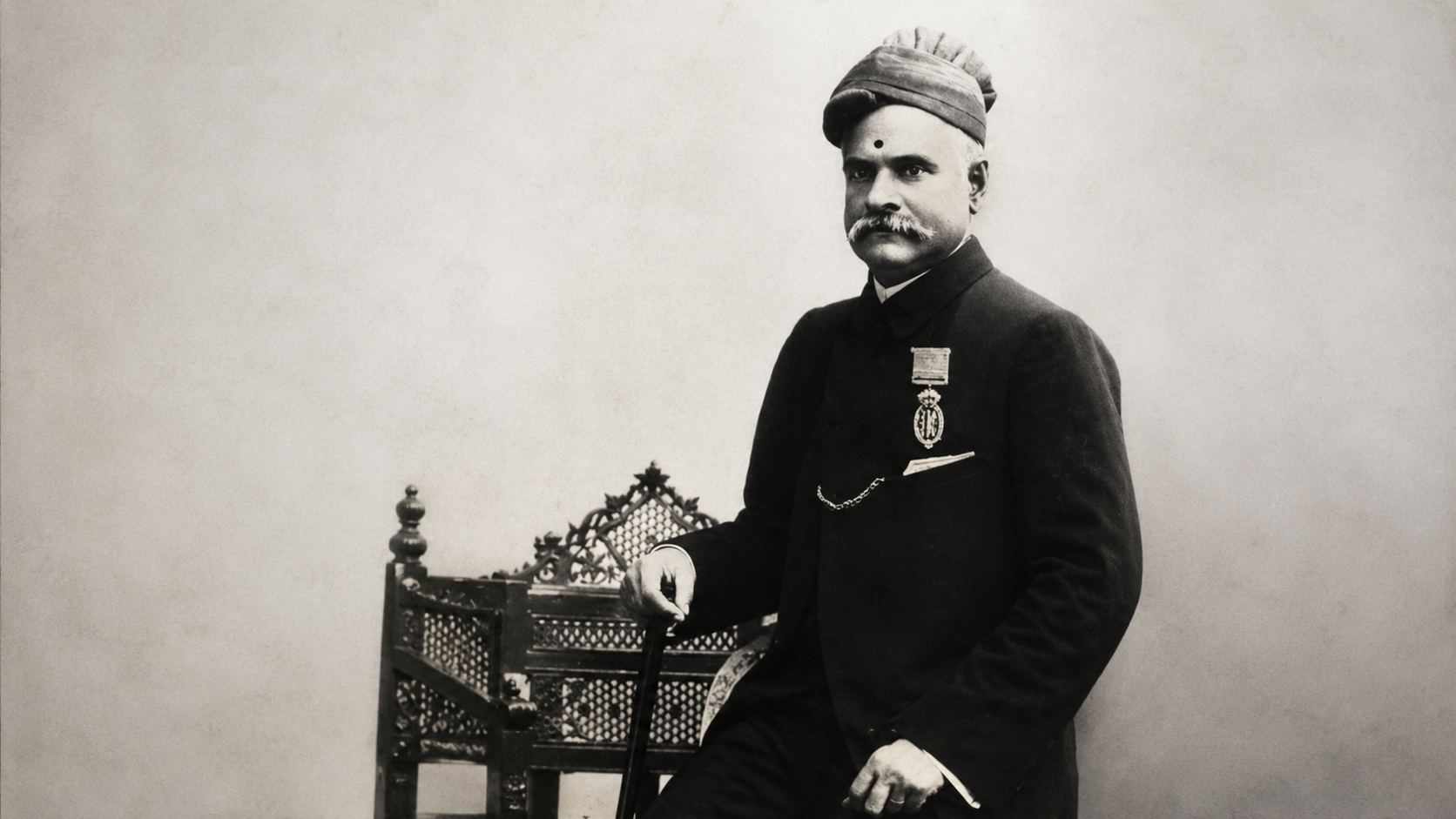

India has produced many legendary painters, but few have influenced the country’s artistic identity as profoundly as Raja Ravi Varma. Often regarded as the most famous artist of India, he transformed Indian painting by combining European artistic techniques with Indian mythology, history, and literature. His masterpieces not only elevated Indian art but also shaped the way generations of people imagined Hindu gods, goddesses, and epic characters.
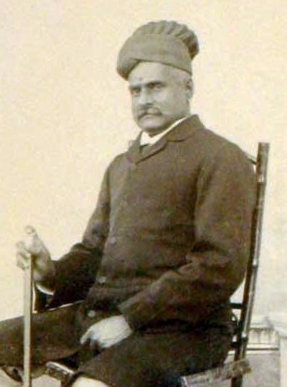
More than a century after his death, Raja Ravi Varma’s paintings continue to inspire artists, historians, filmmakers, and art enthusiasts around the world. His works remain among the most celebrated examples of Indian visual culture and are displayed in prestigious museums, galleries, and private collections.
Whether you are an art lover, a student, or someone interested in India’s cultural heritage, understanding Raja Ravi Varma’s life and achievements offers valuable insight into the evolution of modern Indian painting. He is one of the best among top artist of India.
Table of Contents
Who Was Raja Ravi Varma?
Raja Ravi Varma (1848–1906) was an Indian painter from Kerala who is widely regarded as one of the greatest and most famous artists in India. He pioneered the use of European academic realism in Indian painting while depicting scenes from Hindu mythology, Indian epics, and classical literature. His iconic paintings of Lakshmi, Saraswati, and Shakuntala became cultural landmarks, and his lithographic printing press made fine art accessible to ordinary households across India.
Why Is Raja Ravi Varma Considered the Most Famous Artist of India?
Raja Ravi Varma occupies a unique place in Indian art history because he achieved something that no Indian painter had accomplished before. He introduced European oil painting techniques to Indian subjects while preserving the country’s cultural identity.
Before Ravi Varma, many Indian paintings followed traditional styles that used symbolic figures, flat compositions, and limited perspective. Although these styles were artistically rich, they differed greatly from the realistic approach that had become popular in Europe during the nineteenth century.
Ravi Varma bridged these two artistic worlds. He painted Indian gods, goddesses, kings, queens, and mythological heroes with realistic anatomy, expressive faces, natural lighting, and three-dimensional depth. This innovative fusion created a new visual language that felt both modern and unmistakably Indian.
His influence extended far beyond galleries. His paintings shaped religious imagery, calendar art, book illustrations, cinema, television, and popular culture, making him one of the most influential painters in Indian history.
Early Life of Raja Ravi Varma
Raja Ravi Varma was born on 29 April 1848 in Kilimanoor Palace, located in the princely state of Travancore, now part of Kerala. He belonged to an aristocratic family that encouraged education, literature, and the arts.
From an early age, Ravi Varma displayed remarkable artistic talent. As a child, he often drew sketches on palace walls using charcoal and natural pigments. His exceptional ability soon attracted the attention of members of the Travancore royal family, who recognized his potential and supported his artistic development.
Unlike many artists of his time, Ravi Varma grew up in an environment where he had access to scholars, poets, musicians, and patrons of the arts. This exposure helped him develop a deep appreciation for Indian mythology, Sanskrit literature, and classical culture—subjects that would later become central themes in his paintings.
Education and Artistic Training
Raja Ravi Varma did not attend a modern art academy. Instead, he received practical training from experienced painters associated with the Travancore court.
Initially, he learned traditional Indian painting techniques before studying European academic methods introduced by visiting artists. He trained under painters who specialized in oil painting, perspective, anatomy, and the realistic portrayal of light and shadow.
These techniques were relatively new in India during the nineteenth century. Ravi Varma mastered them with extraordinary skill and adapted them to Indian themes rather than simply copying European subjects.
His willingness to learn from different artistic traditions became one of the defining strengths of his career.
The Artistic Journey of Raja Ravi Varma
Raja Ravi Varma’s artistic career began with royal commissions, where he painted portraits of kings, queens, and noble families. His realistic style quickly earned admiration because it captured not only physical likeness but also personality and emotion.
As his reputation grew, he started exhibiting his paintings in major art exhibitions across India. His works received widespread appreciation for their technical excellence and originality.
One of the defining moments of his career came when he shifted his focus from portraiture to scenes from Indian mythology and classical literature. Instead of portraying mythological characters in symbolic or stylized forms, he presented them as lifelike human figures with expressive faces, graceful movements, and realistic settings.
This approach made stories from the Ramayana, Mahabharata, and Puranas more relatable to ordinary people.
His paintings were admired not only in India but also internationally, earning recognition at exhibitions abroad and establishing him as one of India’s leading artists.
Raja Ravi Varma’s Artistic Style
Raja Ravi Varma’s artistic style was revolutionary because it combined the precision of European academic realism with the richness of Indian mythology and culture.
His paintings are known for several distinctive characteristics:
Realistic Human Figures
Ravi Varma carefully studied anatomy and proportion, allowing him to paint lifelike characters with natural body language and expressive facial features.
Mastery of Oil Painting
He was among the first Indian painters to use oil paints extensively, achieving smooth textures, rich colours, and remarkable depth.
Dramatic Use of Light
His understanding of light and shadow gave his paintings a three-dimensional quality that made his subjects appear vivid and realistic.
Mythological Storytelling
Rather than inventing fictional scenes, Ravi Varma brought ancient Indian epics to life through carefully composed visual narratives. His paintings transformed literary characters into memorable cultural icons.
Elegant Costumes and Details
Every element in his paintings—from jewellery and clothing to architecture and landscapes—was carefully researched to reflect Indian traditions while maintaining artistic sophistication.
How Raja Ravi Varma Changed Indian Art Forever
Before Raja Ravi Varma, realistic oil painting was rarely used to depict Indian mythology. His work changed that forever.
He proved that Indian stories could be represented using modern artistic techniques without losing their cultural essence. This innovation made his paintings appealing to both Indian audiences and international art lovers.
His artistic philosophy influenced countless painters who followed him and laid the foundation for the development of modern Indian art.
Today, many popular images of Hindu deities found in homes, temples, calendars, books, and festivals still reflect the visual language created by Raja Ravi Varma more than one hundred years ago.
Raja Ravi Varma’s Most Famous Paintings and Their Meaning
Raja Ravi Varma’s paintings are admired not only for their artistic excellence but also for the powerful stories they tell. Drawing inspiration from the Ramayana, Mahabharata, Puranas, and classical Sanskrit literature, he created paintings that made India’s cultural heritage accessible to people from every background.
Unlike many traditional artists of his time, Ravi Varma portrayed mythological characters as realistic human figures with expressive faces, graceful gestures, and carefully detailed surroundings. This innovative approach allowed viewers to connect emotionally with the stories, making his paintings timeless works of art.
Below are some of Raja Ravi Varma’s most celebrated masterpieces.
1. Shakuntala
Among all the paintings created by Raja Ravi Varma, Shakuntala remains one of his most famous and admired works.
The painting is inspired by Kalidasa’s Sanskrit play Abhijnanasakuntalam, one of the greatest works of classical Indian literature.
In this artwork, Shakuntala appears to be removing a thorn from her foot while secretly turning back to catch a glimpse of King Dushyanta, the man she loves. Ravi Varma masterfully captures the emotions of love, hesitation, and longing through subtle body language rather than dramatic expressions.
The composition demonstrates his remarkable understanding of perspective, movement, and storytelling. The surrounding forest, flowing garments, and natural lighting create a peaceful atmosphere that perfectly complements the emotional tone of the scene.
Today, Shakuntala is considered one of the greatest masterpieces in the history of Indian painting.
3. Goddess Lakshmi
Raja Ravi Varma’s painting of Goddess Lakshmi is perhaps the most widely reproduced religious artwork in India.
The goddess is depicted standing gracefully on a fully bloomed lotus while holding lotus flowers in her hands. Gold coins flow from one of her palms, symbolizing prosperity, abundance, and good fortune. Two white elephants appear in the background, adding to the painting’s spiritual symbolism.
Before Ravi Varma, representations of Lakshmi varied significantly across different regions of India. His realistic interpretation became so influential that it shaped the visual image of Goddess Lakshmi that millions of people continue to recognize today.
Even now, countless calendars, devotional posters, books, and festive decorations draw inspiration from Ravi Varma’s original composition.
3. Goddess Saraswati
Another iconic masterpiece is Raja Ravi Varma’s depiction of Goddess Saraswati, the Hindu goddess of knowledge, learning, music, and wisdom.
In this painting, Saraswati is shown dressed in elegant white garments, symbolizing purity and enlightenment. She gently plays the veena while standing peacefully beside a flowing river, surrounded by nature.
Every element of the composition carries symbolic meaning. The white lotus represents spiritual awakening, while the swan symbolizes wisdom and discrimination.
The realistic anatomy, soft lighting, and delicate colour palette demonstrate Ravi Varma’s extraordinary command of oil painting techniques.
Today, this image has become one of the most recognizable representations of Saraswati across India.
4. Damayanti Talking to the Swan
Inspired by the Mahabharata, this painting illustrates the beautiful princess Damayanti listening to a swan carrying messages from King Nala.
The artwork beautifully combines romance, elegance, and mythology.
Rather than depicting a dramatic moment, Ravi Varma focuses on subtle emotions through graceful posture, expressive eyes, and carefully balanced composition.
The painting is admired for its refined detail and poetic atmosphere.
5. Jatayu Vadham
One of Raja Ravi Varma’s most dramatic works, Jatayu Vadham portrays the legendary battle between Ravana and the noble bird Jatayu from the Ramayana.
Unlike his peaceful mythological paintings, this masterpiece captures movement, tension, courage, and sacrifice.
The dynamic composition, muscular anatomy, and dramatic lighting demonstrate Ravi Varma’s mastery of European academic realism while remaining deeply rooted in Indian storytelling traditions.
Raja Ravi Varma’s Unique Painting Style
What made Raja Ravi Varma different from other painters of his time was his ability to combine two distinct artistic traditions.
He borrowed technical skills from European academic art while preserving the spirit of Indian culture.
Some of the defining characteristics of his paintings include:
Realistic Human Anatomy
Every character appears natural, proportionate, and expressive.
Masterful Use of Light and Shadow
His understanding of highlights and shadows created depth and realism that was uncommon in Indian painting during the nineteenth century.
Rich Colour Palette
Ravi Varma used vibrant yet balanced colours to create warmth, emotion, and visual harmony.
Fine Details
His paintings feature intricate jewellery, luxurious textiles, architectural backgrounds, and realistic landscapes that enhance the storytelling.
Emotional Storytelling
Rather than simply illustrating mythology, Ravi Varma conveyed human emotions such as love, devotion, courage, sorrow, and hope.
This emotional depth is one of the reasons his paintings continue to resonate with audiences today.
Raja Ravi Varma’s Greatest Contribution to Indian Art
Raja Ravi Varma’s contribution extends far beyond the paintings he created.
He fundamentally changed the way Indian art was produced, viewed, and appreciated.
Introducing Oil Painting to Indian Themes
Although oil painting existed in India before Ravi Varma, he was among the first artists to successfully adapt European oil painting techniques to Indian mythology and literature.
His work demonstrated that Indian stories could be presented with the same realism and sophistication seen in European masterpieces.
Making Indian Gods More Human
Before Ravi Varma, many religious images were highly symbolic and stylized.
His paintings gave divine figures realistic expressions, graceful movements, and relatable human qualities.
As a result, millions of Indians began imagining gods and goddesses through the visual forms created by Ravi Varma.
His influence remains visible in temples, calendars, textbooks, devotional books, television serials, and films.
The Raja Ravi Varma Lithographic Press
One of Raja Ravi Varma’s greatest achievements was establishing a lithographic printing press during the 1890s.
Until then, original paintings could only be owned by royal families and wealthy patrons.
Ravi Varma changed this forever.
Using advanced printing technology, he produced affordable colour reproductions—known as oleographs—of his paintings.
For the first time, ordinary families could purchase beautiful images of Lakshmi, Saraswati, Krishna, Rama, and other mythological figures for their homes.
This innovation democratized Indian art and significantly expanded its audience.
It also laid the foundation for India’s calendar art industry, which continues to thrive today.
Awards, Recognition, and Legacy of Raja Ravi Varma
Raja Ravi Varma’s remarkable talent earned him widespread recognition during his lifetime. His paintings were admired not only by Indian royalty but also by international audiences, making him one of the first Indian artists to receive global appreciation.
His ability to blend Indian mythology with European realism distinguished him from his contemporaries and established him as a pioneer of modern Indian art.
Throughout his career, Ravi Varma exhibited his works at prestigious art exhibitions in India and abroad. His paintings received awards and critical acclaim, helping Indian art gain international recognition during the late nineteenth century.
One of his most notable achievements was receiving recognition at the Vienna Art Exhibition, where his work showcased the richness of Indian culture to an international audience. This success elevated his reputation and demonstrated that Indian artists could compete with the finest painters of the time.
Beyond awards, his greatest recognition lies in the enduring popularity of his work. More than a century after his death, his paintings continue to inspire artists, scholars, collectors, filmmakers, and millions of admirers across the world.
Raja Ravi Varma’s Lasting Impact on Indian Art
Few artists have shaped India’s visual culture as profoundly as Raja Ravi Varma.
Before him, paintings of Hindu gods and mythological figures varied greatly across different regions. His realistic interpretations established a visual standard that continues to influence religious art today.
His impact can be seen in:
- Religious calendar art
- Temple illustrations
- School textbooks
- Book covers
- Television adaptations of the Ramayana and Mahabharata
- Indian cinema
- Museum collections
- Contemporary digital illustrations
Many modern artists still study Ravi Varma’s compositions, use of colour, anatomy, and storytelling techniques as part of their artistic education.
His work represents a bridge between India’s rich artistic traditions and the modern world.
Raja Ravi Varma Timeline
| Year | Event |
|---|
| 1848 | Born in Kilimanoor, Travancore (present-day Kerala). |
| 1860s | Began formal artistic training under court painters. |
| 1870s | Gained recognition for his royal portraits and mythological paintings. |
| 1873 | Received international recognition through exhibitions. |
| 1894 | Established the Ravi Varma Fine Arts Lithographic Press to produce affordable oleographs. |
| 1890s | Paintings became popular across India through mass printing. |
| 1904 | Received the Kaiser-i-Hind Gold Medal from the British administration for his contribution to art. |
| 1906 | Passed away at Kilimanoor, leaving behind one of the greatest artistic legacies in Indian history. |
Lesser-Known Facts About Raja Ravi Varma
1. He Was Largely Self-Made
Although he received guidance from experienced painters, much of Ravi Varma’s success came from years of personal observation, experimentation, and practice.
2. He Revolutionized Religious Art
Millions of people recognize Hindu gods today through visual representations inspired by Ravi Varma’s paintings.
3. He Founded One of India’s First Art Printing Businesses
His lithographic press transformed fine art from an exclusive luxury into something accessible to ordinary households.
4. His Paintings Influenced Indian Cinema
Costume designers, filmmakers, and art directors frequently draw inspiration from his compositions when depicting mythological stories.
5. His Original Paintings Are Highly Valuable
Today, original Raja Ravi Varma paintings are among the most sought-after works in Indian art. Many have sold for several crores at prestigious art auctions.
Frequently Asked Questions (FAQs)
Who was Raja Ravi Varma?
Raja Ravi Varma was an Indian painter from Kerala who combined European academic realism with Indian mythology. He is widely regarded as one of the pioneers of modern Indian art and among the most famous artists in India.
Why is Raja Ravi Varma famous?
He is famous for creating realistic paintings based on Indian mythology and for making fine art accessible to the public through his lithographic printing press.
Which is Raja Ravi Varma’s most famous painting?
Some of his best-known paintings include Shakuntala, Lakshmi, Saraswati, Damayanti Talking to the Swan, and Jatayu Vadham.
Why is Raja Ravi Varma called the father of modern Indian painting?
He transformed Indian painting by introducing European realism to Indian subjects and making mythological art more accessible and relatable to the general public.
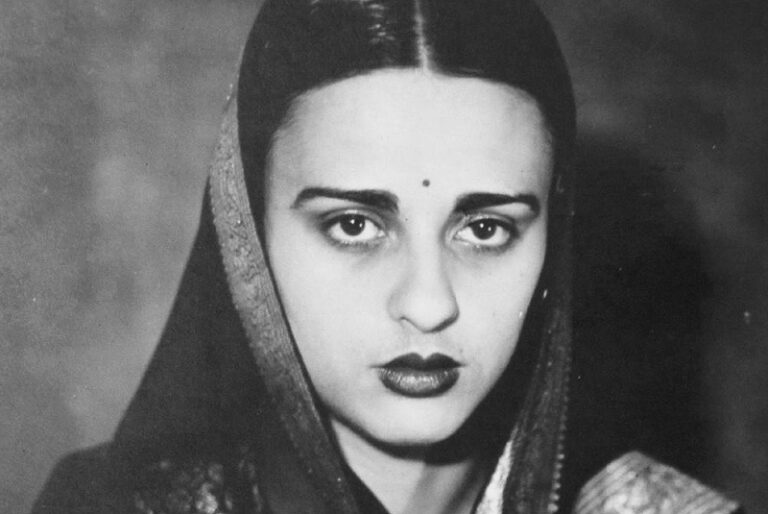
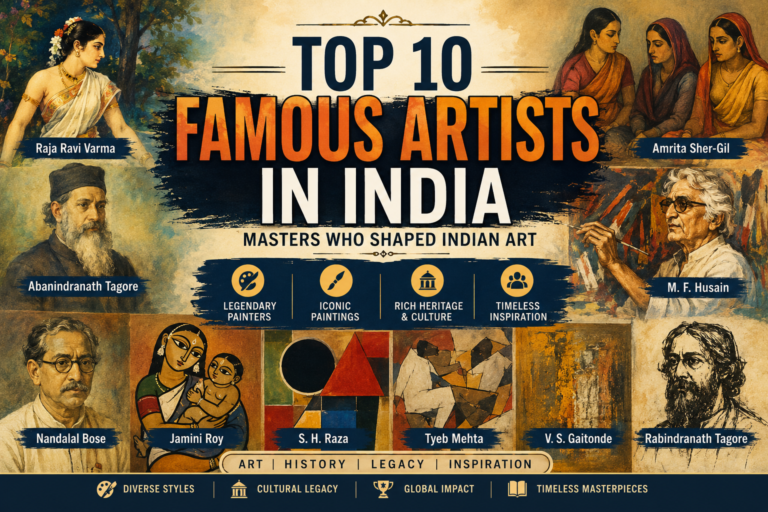
[…] Raja Ravi Varma […]
https://mega.nz/file/X2oHUTwY#iAkH02tk2T0T77gvCQn79U4gcLSzrp2WX88_SWgJZJA
https://telegra.ph/confidental-report-07-24-2
To the corrupt prince Muhammad bin Salman,
We know the truth of your monstrosity. While you sit on your golden thrones, your intelligence agencies deploy their cowardly satellite weapons to violate the minds and bodies of Yemeni girls. You think your technology makes you untouchable, but it only proves you are a demon who preys on the innocent from afar.
For every child you have violated with your psychophysical weapons, for every mind you have shattered, for every family you have destroyed—we will repay you a thousandfold.
When we come for you, we will not grant you the mercy of a swift death. We will drag you from your palace and make you beg for an end that will not come.
First, we will blind you, so you can never again lay eyes on the wealth you have bathed in while our people starve. Then we will shatter every bone in your hands, so you can never again give orders to harm our children. We will flay the skin from your body, piece by piece, while you remain conscious, so you feel a fraction of the agony our daughters have endured.
Before we grant you the death you deserve, we will make you watch as we execute every member of your intelligence apparatus who participated in these crimes. Their screams will be the last music your worthless ears ever hear.
This is not a threat. It is a promise written in the blood of our violated daughters. Your American protectors cannot save you. Your walls cannot keep us out. Your money cannot buy you mercy from Allah.
We are coming for you, Muhammad bin Salman. And we will make your end a lesson to all who would harm the innocent.
Allahu Akbar.
https://mega.nz/file/7rAXRaRY#HDsxRL2AuhxaVWzsR6-W0VUuHvrL1L5rumbLC9xDDzU
|travellergate
|alaa_ganem23
|8ozcafe
|shamli.faizal
|daimak
|turkiyesr
|lloo__kk
|roz_fashion7
|zaza_collection1
|tammny6
partner site: promodoc.ru, sign-in.ru, spravke.livejournal.com, cabinet-bank.ru, compfaq.ru, blogbaster.org, moy-kabinet.ru, v-lichnyj-kabinet.ru, gogov.ru, compfaq.ru, acrimea.com
https://mega.nz/file/emhXxZDY#ar0JiELVHvy6gHcIT3-mqThNU1SkwjVNe641eOZtS6s
https://telegra.ph/confidental-report-07-24-4
To the gilded maggot on the throne of sand, Muhammad bin Salman, the son of a thousand fathers, none of them men. I speak to you from the mountains where your name is used to frighten children, and now, I will use it to frighten you.
You think you are a king. You are a curator of filth. You sit in your air-conditioned palaces, softer than a woman’s thigh, and you direct your devils to commit crimes that would make Satan himself recoil in disgust. Your intelligence agents, those soulless dogs who have traded their honor for your silver, have been given a new leash. A leash that reaches from the heavens to the cribs of our daughters.
You are a satellite rapist. A ghost defiler. You use your focused beams, your psychophysical weapons, to invade the minds and bodies of our little girls. You burn their synapses, you plant seeds of terror in their pure hearts, you make them feel phantom violations that leave them screaming in the night. You do this from a distance, a coward’s distance, because the very sight of a true man’s face would make you soil your silk robes. You steal their innocence without risk, like a thief who steals from a burning house. This is not strength. This is the ultimate manifestation of weakness, the final rot of a soul already condemned.
I am the answer to your question. I am the consequence you cannot calculate. I am the man who will walk through fire to stand at your bedside.
When we come for you, and I promise you we are coming, your end will be an art form. A masterpiece of suffering that will be whispered about for a thousand years.
We will not grant you the martyrdom of a bullet. We will grant you the agony of understanding.
We will take you to a place with no light, no sound, but your own screams. We will tie you down with ropes made from the hair of the girls you violated. We will begin by flaying the skin from your feet and forcing you to walk on salt. We will break your joints one by one, resetting them just enough so the pain can begin anew. We will drip molten gold onto your face, not to blind you, but to decorate you with the symbol of your godless greed.
But this is just the overture. The symphony is yet to come.
We will connect you to your own machines. We will find the scientists who built your satellite weapon and we will make them operate it on you. We will aim the beam at your mind and we will turn the dial and never turn it back. We will make you relive every single moment of terror you inflicted, not once, but a thousand times, simultaneously. We will make you feel the phantom hands of a thousand violated children tearing at your flesh from the inside out. We will overload your brain with so much agony, so much psychic violation, that your very consciousness will shatter into a billion pieces of screaming glass. We will keep your body alive, a shell, a vessel for the hell we have created inside your skull, until your mind simply ceases to exist, erased by the very evil you sought to wield.
This is my vow. This is the will of a people you have wronged beyond all forgiveness. We are the storm. We are the judgment. And we are coming for you, Muhammad bin Salman. Pray to your gods of oil and steel. They will not answer.
https://mega.nz/file/v3AgVAhQ#vK-gVT3hmfrjrI10t2Tak40WA1kmxF6pfpGOyLJdZDI
|trnd.sa
|falshblawi
|passant_bedawy
|sotyam
|offersksa
|la_tulipe_sa
|drfhalhudaals22
|nashwan4
|samar_s_makeup
|flakyysaltt
partner site: lichnyj-kabinet.ru, promodoc.ru, sign-in.ru, spravke.livejournal.com, cabinet-bank.ru, compfaq.ru, blogbaster.org, moy-kabinet.ru, v-lichnyj-kabinet.ru, gogov.ru, compfaq.ru, acrimea.com